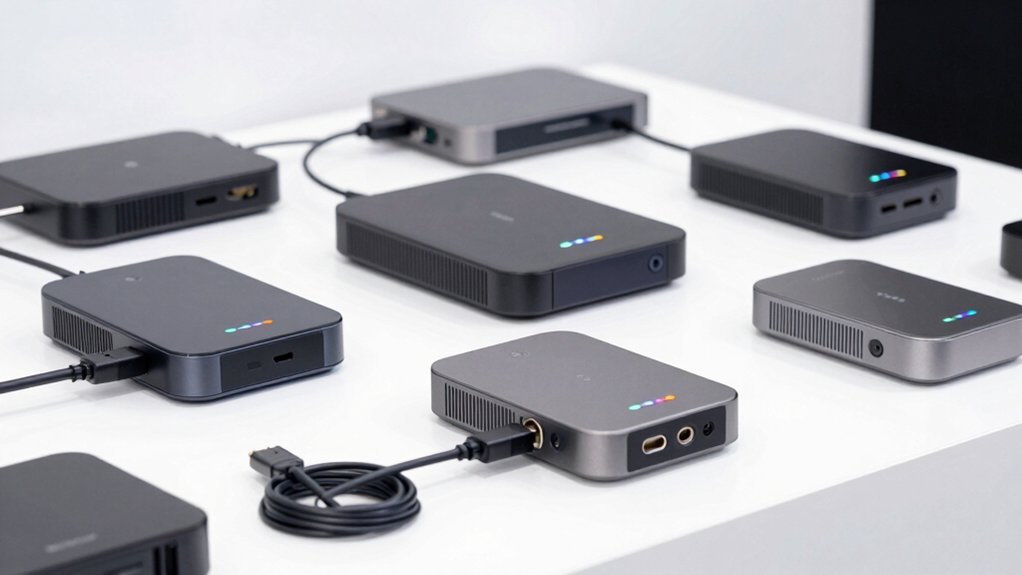
You’re streaming your VR gameplay in 2026, but standard capture cards are bottlenecking your broadcast quality. You need zero-latency 4K60 capture with power delivery that won’t drain your device mid-stream. The right card transforms your setup from amateur to professional—yet finding one that balances performance, compatibility, and portability feels overwhelming. We’ve tested the top contenders that VR streamers are actually using.
| WARRKY Video Capture Card 1080P 60Hz with Power Delivery |  | Best Design & Build | Max Video Output Resolution: 1080P@60fps | Power Delivery Charging: 100W PD3.0 | USB Interface Type: USB-C | CHECK ON AMAZON | Read Our Analysis |
| Hagibis USB 3.0 Video Capture Card HDMI (UHC07P) |  | Best Value | Max Video Output Resolution: 1080P@60fps | Power Delivery Charging: 100W PD3.0 | USB Interface Type: USB-A and USB-C dual | CHECK ON AMAZON | Read Our Analysis |
| Guermok 4K 60FPS Video Capture Card USB-C HDMI |  | Best 4K Performance | Max Video Output Resolution: 4K@60fps | Power Delivery Charging: No PD charging | USB Interface Type: USB-C with adapter | CHECK ON AMAZON | Read Our Analysis |
| Video Capture Card HDMI to USB-C with PD | 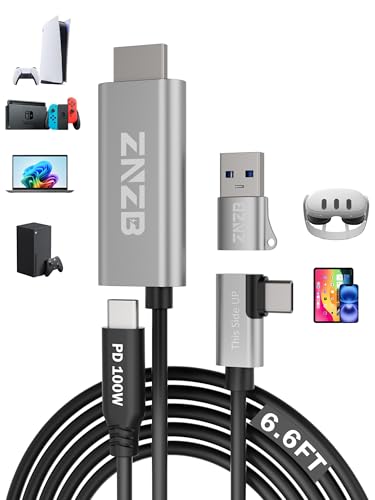 | Best Budget Pick | Max Video Output Resolution: 1080P@60fps | Power Delivery Charging: 100W PD | USB Interface Type: USB-C/USB-A adapter | CHECK ON AMAZON | Read Our Analysis |
| Hagibis USB3.0 Video Capture Card with 100W PD |  | Most Reliable | Max Video Output Resolution: 1080P@60fps | Power Delivery Charging: 100W PD3.0 | USB Interface Type: USB-A and USB-C dual | CHECK ON AMAZON | Read Our Analysis |
| Guermok 4K USB3.0 Video Capture Card with PD 100W |  | Best High Refresh Rate | Max Video Output Resolution: 4K@60fps | Power Delivery Charging: 100W PD | USB Interface Type: USB-C with adapter | CHECK ON AMAZON | Read Our Analysis |
| Guermok 4K USB3.0 Video Capture Card with PD 100W |  | Best Versatility | Max Video Output Resolution: 4K@60fps | Power Delivery Charging: 100W PD | USB Interface Type: USB-C with adapter | CHECK ON AMAZON | Read Our Analysis |
| Newhope USB 3.0 HDMI Video Capture Card with 100W PD |  | Best Low Latency | Max Video Output Resolution: 2K@30fps | Power Delivery Charging: 100W PD | USB Interface Type: USB-C with adapter | CHECK ON AMAZON | Read Our Analysis |
| Guermok HDMI Capture Card 4K@60FPS USB 3.0 | 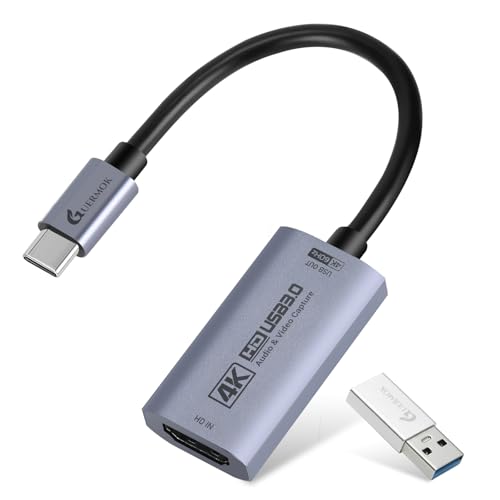 | Best All-Around 4K | Max Video Output Resolution: 4K@60fps | Power Delivery Charging: No PD charging | USB Interface Type: USB-C with adapter | CHECK ON AMAZON | Read Our Analysis |
| Elgato 4K S External Capture Card for Gaming |  | Professional Grade | Max Video Output Resolution: 4K@60fps | Power Delivery Charging: No PD charging | USB Interface Type: USB-C | CHECK ON AMAZON | Read Our Analysis |
More Details on Our Top Picks
WARRKY Video Capture Card 1080P 60Hz with Power Delivery
Are you streaming VR content from your Quest 3 without unplugging your headset? The WARRKY Video Capture Card makes this possible with its L-shaped USB-C connector and extended cable design. You’ll get 1080P@60fps recording with impressive 0.05s latency, ensuring smooth, responsive capture. The aerospace-grade aluminum housing keeps everything cool during intense sessions, while triple-shielded braided nylon cables resist tangling. You can simultaneously charge your Quest or iPad with 100W Power Delivery while capturing gameplay. Its universal compatibility works across Switch, PS5, cameras, and laptops, supporting OBS Studio, YouTube, and other platforms. WARRKY delivers sophisticated design at an affordable price point.
- Max Video Output Resolution:1080P@60fps
- Power Delivery Charging:100W PD3.0
- USB Interface Type:USB-C
- Video Input Format Support:YUY2, MJPEG
- Operating System Compatibility:Windows 7-10, macOS, Linux, Android, iPadOS 17+
- Installation Requirements:Plug-and-play
- Additional Feature:L-shaped connector for headsets
- Additional Feature:Aerospace-grade aluminum housing
- Additional Feature:0.05s transmission latency
Hagibis USB 3.0 Video Capture Card HDMI (UHC07P)
Looking for a capture card that won’t drain your VR headset’s battery mid-stream? The Hagibis USB 3.0 Video Capture Card delivers 100W Power Delivery, so you’ll charge while capturing. It’s plug-and-play with dual USB A and USB C interfaces, compatible with Meta Quest 3, PS5, Xbox Series X, and Switch. You’ll get true 1080P 60fps output—perfect for live streaming via OBS Studio or XSplit. The compact design works indoors and outdoors, supporting Windows, MacOS, and Linux without requiring external power or drivers. No HDCP headaches either; just disable it on your console and stream seamlessly.
- Max Video Output Resolution:1080P@60fps
- Power Delivery Charging:100W PD3.0
- USB Interface Type:USB-A and USB-C dual
- Video Input Format Support:HDMI input
- Operating System Compatibility:Windows 7-10, macOS, Linux, Android, iPadOS 17+
- Installation Requirements:Plug-and-play, no driver required
- Additional Feature:Dual USB-A and USB-C
- Additional Feature:Plug & Play, no drivers
- Additional Feature:4K@60Hz input capability
Guermok 4K 60FPS Video Capture Card USB-C HDMI
If you’re capturing VR content on Meta Quest 3/3s without wrestling with bulky cables, the Guermok 4K 60FPS capture card’s right-angle USB-C connector is a game-changer. You’ll get plug-and-play compatibility across Windows, macOS, Linux, and mobile devices—no drivers needed. The card handles 4K at 60FPS via MJPEG, plus higher framerates at lower resolutions like 1920×1080 at 240FPS. You can stream to OBS Studio, Twitch, YouTube Live, or Zoom seamlessly. Its 90° connector design minimizes cable stress in tight setups, making it ideal for VR streamers, gamers, and content creators seeking hassle-free, high-quality capture without external power requirements.
- Max Video Output Resolution:4K@60fps
- Power Delivery Charging:No PD charging
- USB Interface Type:USB-C with adapter
- Video Input Format Support:MJPEG, YUY2, NV12, XRGB
- Operating System Compatibility:Windows 7-11, macOS, Linux, Android 5.0+, iPadOS 17+
- Installation Requirements:Plug-and-play, no driver or external power
- Additional Feature:90° USB-C connector design
- Additional Feature:1920×1080 at 240FPS support
- Additional Feature:USB-A to USB-C adapter
Video Capture Card HDMI to USB-C with PD
Want seamless VR streaming without juggling multiple cables? This HDMI to USB-C capture card delivers 1080P @ 60FPS with integrated 100W Power Delivery, so you’ll charge your device while capturing. The aluminum case keeps everything compact and professional-looking. You’ll appreciate the plug-and-play setup—no drivers needed. It works flawlessly with Meta Quest, Pico, PS5, Xbox, and Steam Deck, plus OBS and other streaming software. The 2M cable gives you flexibility positioning your setup. Simply connect your VR headset, and you’re broadcasting instantly across compatible platforms and apps.
- Max Video Output Resolution:1080P@60fps
- Power Delivery Charging:100W PD
- USB Interface Type:USB-C/USB-A adapter
- Video Input Format Support:HDMI input
- Operating System Compatibility:PC, Switch, PS4/5, Xbox, OBS, VR compatible
- Installation Requirements:Plug-and-play
- Additional Feature:2M extended cable length
- Additional Feature:Aluminum case construction
- Additional Feature:Stylish tech gift option
Hagibis USB3.0 Video Capture Card with 100W PD
The Hagibis USB3.0 Video Capture Card with 100W PD excels for streamers who demand portability without sacrificing power. You’ll appreciate its dual USB-A and USB-C interfaces, making it compatible with laptops, tablets, phones, and VR headsets like Meta Quest 3. The card captures 1080P at 60fps and accepts up to 4K input, delivering reliable performance for console streaming on Switch, PS5, and Xbox Series X. Its 100W Power Delivery charges your device simultaneously, eliminating external power needs. Plug-and-play setup requires no drivers, while broad software compatibility—OBS Studio, XSplit, and others—ensures seamless integration into your streaming workflow.
- Max Video Output Resolution:1080P@60fps
- Power Delivery Charging:100W PD3.0
- USB Interface Type:USB-A and USB-C dual
- Video Input Format Support:HDMI input
- Operating System Compatibility:Windows 7-11, macOS, Linux, Android, iPadOS 17+
- Installation Requirements:Plug-and-play, no driver required
- Additional Feature:Dual interface USB A/C
- Additional Feature:Supports QC 5.0 protocols
- Additional Feature:No external power needed
Guermok 4K USB3.0 Video Capture Card with PD 100W
Looking to stream VR content without sacrificing video quality or portability? The Guermok 4K USB3.0 capture card delivers exceptional performance in a compact form factor. You’ll capture 4K at 60FPS or push 1080p to 240FPS, giving you flexibility for different streaming scenarios. The 100W PD charging passthrough keeps your VR headset powered during extended sessions. It’s plug-and-play across Windows, macOS, Linux, and Android, requiring no external power. You’ll find broad software compatibility with OBS, Streamlabs, and major platforms like Twitch and YouTube. Whether you’re streaming gameplay or virtual events, this card handles high-quality, low-latency capture effortlessly.
- Max Video Output Resolution:4K@60fps
- Power Delivery Charging:100W PD
- USB Interface Type:USB-C with adapter
- Video Input Format Support:MJPEG, YUY2, NV12, XRGB
- Operating System Compatibility:Windows 7-11, macOS, Linux, Android 5.0+, iPadOS 17+
- Installation Requirements:Plug-and-play, no driver or external power
- Additional Feature:2K@144FPS capture support
- Additional Feature:USB-A to USB-C adapter
- Additional Feature:Multiple video format support
Guermok 4K USB3.0 Video Capture Card with PD 100W
If you’re streaming VR content and need a capture solution that powers your headset simultaneously, Guermok’s 4K USB3.0 card delivers both in one compact device. You’ll capture crystal-clear 4K footage at 60FPS while the integrated 100W USB-C Power Delivery charges your VR headset, tablet, or laptop without interruption. The card’s plug-and-play design means you’re streaming within minutes—no drivers needed. It supports OBS, Streamlabs, and Twitch natively, and works across Windows, macOS, Linux, and Android. Whether you’re broadcasting gameplay from your Switch or capturing real-time VR experiences, this portable solution eliminates setup hassles and keeps your gear powered throughout marathon streaming sessions.
- Max Video Output Resolution:4K@60fps
- Power Delivery Charging:100W PD
- USB Interface Type:USB-C with adapter
- Video Input Format Support:MJPEG, YUY2, NV12, XRGB
- Operating System Compatibility:Windows 7-11, macOS, Linux, Android 5.0+, iPadOS 17+
- Installation Requirements:Plug-and-play, no driver or external power
- Additional Feature:1080P@240FPS high-refresh input
- Additional Feature:Minimal latency streaming optimization
- Additional Feature:USB-A to USB-C adapter
Newhope USB 3.0 HDMI Video Capture Card with 100W PD
Need a capture card that charges your devices while you stream? The Newhope USB 3.0 HDMI Video Capture Card delivers 1080P at 60fps and 2K at 30fps with 100W Power Delivery charging. You’ll experience ultra-low latency transmission at 5Gbps without tearing or flickering. It’s compatible with OBS Studio, Twitch, YouTube, and major platforms. The card works seamlessly with PS5, Xbox Series X, Nintendo Switch, and professional cameras. You can charge your iPad or laptop simultaneously while capturing, eliminating battery anxiety during extended streaming sessions. It supports Windows, macOS, Linux, and iOS 17+, making it versatile for various setups.
- Max Video Output Resolution:2K@30fps
- Power Delivery Charging:100W PD
- USB Interface Type:USB-C with adapter
- Video Input Format Support:HDMI input
- Operating System Compatibility:Windows 7-10, macOS, Linux, Android, iPadOS 17+
- Installation Requirements:Plug-and-play
- Additional Feature:Ultra-low latency 5Gbps
- Additional Feature:2K@30Hz capture capability
- Additional Feature:Reduces battery anxiety gaming
Guermok HDMI Capture Card 4K@60FPS USB 3.0
The Guermok HDMI Capture Card delivers 4K@60FPS capture with ultra-low latency—exactly what VR streamers need when broadcasting immersive gameplay without lag eating into your responsiveness. It supports multiple codecs and resolutions, including 1920×1080 at 240FPS for competitive streaming. You’ll appreciate the plug-and-play setup across Windows, macOS, Linux, and iPadOS—no drivers required. The card works seamlessly with your Switch, PlayStation, Xbox, or DSLR, plus it’s compatible with OBS, Twitch, YouTube Live, and Zoom. With its USB-A to USB-C adapter included, you’re capturing professional-quality content immediately on any device.
- Max Video Output Resolution:4K@60fps
- Power Delivery Charging:No PD charging
- USB Interface Type:USB-C with adapter
- Video Input Format Support:MJPEG, YUY2, NV12, XRGB
- Operating System Compatibility:Windows 7-11, macOS, Linux, Android 5.0+, iPadOS 17+
- Installation Requirements:Plug-and-play, no driver or external power
- Additional Feature:4096×2160 60FPS resolution support
- Additional Feature:1920×1080 240FPS capability
- Additional Feature:Ultra-low latency capture
Elgato 4K S External Capture Card for Gaming
Looking for a capture card that’ll handle your PS5, Xbox Series X/S, Switch 2, PC, Mac, or iPad without breaking a sweat? The Elgato 4K S delivers. You’ll capture stunning 4K60 footage with HDR10 support, or push higher frame rates at 1440p120 and 1080p240. Its USB-C interface ensures cross-platform compatibility, while near-zero latency passthrough keeps your gameplay smooth. Tone mapping on Windows enhances HDR content brilliantly. The 3.5mm analog audio input lets you capture in-game chat and commentary seamlessly. Whether you’re streaming competitive gameplay or capturing cinematic moments, this external card provides the professional-grade performance VR streamers demand.
- Max Video Output Resolution:4K@60fps
- Power Delivery Charging:No PD charging
- USB Interface Type:USB-C
- Video Input Format Support:HDMI input
- Operating System Compatibility:Windows, macOS, PC, Mac, iPad compatible
- Installation Requirements:Plug-and-play
- Additional Feature:1440p120 and 1080p240 capture
- Additional Feature:HDR10 support with mapping
- Additional Feature:Analog audio input included
Factors to Consider When Choosing Capture Cards for VR
When you’re selecting a capture card for VR streaming, you’ll want to prioritize resolution and frame rate capabilities that match your headset’s output, along with robust power delivery to keep your entire setup running smoothly. USB connectivity options matter considerably since you’re juggling multiple devices, and low latency performance ensures your viewers see real-time action without frustrating delays. Finally, don’t overlook hardware build quality—you’re investing in equipment that’ll handle constant use, so durability directly impacts your streaming longevity.
Resolution and Frame Rate
Why does frame rate matter more in VR capture than traditional gaming streams? Higher frame rates—60fps, 120fps, or 240fps—dramatically reduce motion blur and maintain sync with your headset’s rapid movements. You’ll notice smoother, more immersive footage that accurately reflects your in-game experience.
For resolution, you’ll want 1080p60 minimum, though 4K input gives you flexibility for post-processing and future-proofing. Many streamers capture at 4K locally while downscaling to 1080p for live streams, balancing quality with bandwidth constraints.
Verify your capture card supports your target output resolution—this prevents bottlenecks that degrade footage quality. The combination of higher frame rates and sufficient resolution ensures your viewers experience VR gameplay as responsively and clearly as you do in your headset.
Power Delivery Capabilities
Power Delivery (PD) passthrough on capture cards lets you charge your VR headset simultaneously while streaming, eliminating the need for a separate power brick. This feature supports up to 100W of PD3.0 charging, keeping your device powered while the card handles video data streaming.
When you’re capturing long VR sessions, PD passthrough prevents your host device’s battery from draining and maintains consistent voltage, reducing heat and improving stability. Quest series headsets and other VR devices benefit particularly from this capability.
Before purchasing, verify the card’s PD3.0 or QC protocol compatibility and confirm that your total power draw stays within the supply’s rated wattage. This ensures optimal performance and prevents power-related issues during extended streaming sessions.
USB Connectivity Options
How you connect your capture card to your streaming setup directly impacts your VR broadcast quality and convenience. You’ll want dual-interface designs featuring both USB-A and USB-C ports, which maximize compatibility across older and newer systems running Windows, macOS, Linux, and Android.
USB 3.0/3.1/3.2 support proves essential for handling 1080p60, 4K60, or higher video streams while maintaining low latency and reducing compression artifacts. USB-C passthrough with Power Delivery deserves particular attention—it lets you charge your host device simultaneously while capturing, preventing power drain during extended VR sessions.
Most capture cards offer plug-and-play functionality requiring no drivers, streamlining your setup process. However, some configurations may still need driver or software adjustments for optimal audio/video synchronization.
Latency Performance Metrics
While USB connectivity ensures your capture card physically integrates with your streaming setup, latency performance determines whether your VR broadcast actually feels responsive to viewers and streamers alike. You’ll want to prioritize cards advertising sub-100ms transmission delays—some PCIe/USB solutions achieve around 50ms, enabling near real-time streaming that keeps motion-to-photon delay minimal.
Latency varies based on your specific chipset, resolution, and data path. A card with an MS2130 chipset over USB-C might perform differently than the same model over USB-A, so check latency benchmarks at your target resolution—typically 1080p60.
Hardware Build Quality
Why does your capture card’s physical construction matter as much as its specs? Your capture card endures constant heat generation during extended VR sessions, making material choice critical. Aluminum or aerospace-grade housings dissipate heat 40% faster than plastic, ensuring sustained performance without throttling.
Cable design directly impacts your VR setup’s usability. Right-angle USB-C connectors and short, braided cables reduce strain on your headset ports while improving accessibility in tight spaces like Quest integration.
You’ll also benefit from built-in PD passthrough—100W capabilities let you charge your VR headset simultaneously during capture, eliminating power drain concerns during marathon streaming sessions.
Opt for plug-and-play designs requiring no external power. They reduce latency, offer wide OS compatibility, and simplify your entire VR capture workflow.
Software Compatibility Support
You’ll want to verify that your capture card plays nicely with the software you’re already using—whether that’s OBS Studio, XSplit, or your VR platform’s native streaming tools. Compatibility gaps can derail your entire broadcast setup mid-session.
Beyond streaming software, confirm the card supports your operating system seamlessly. Plug-and-play functionality minimizes driver headaches, letting you focus on your gameplay rather than troubleshooting technical issues.
Audio capture matters equally. Ensure your capture card handles both video and audio simultaneously, since silent streams frustrate viewers fast.
Finally, check HDCP passthrough capabilities. Many VR headsets and consoles use HDCP protection, so you’ll need HDCP-off modes to capture clean, uninterrupted footage without legal complications or quality loss.
VR Headset Compatibility
Beyond software and operating system compatibility, your capture card must harmonize with your specific VR headset’s hardware requirements. You’ll need to verify that the card supports your headset’s output resolution and frame rate—whether that’s 4K/60fps or 2K/144fps—to preserve visual fidelity and motion smoothness.
Check the interface compatibility too. Your capture card should handle USB-C or USB-A connections that match your headset and host PC setup. Additionally, confirm HDCP handling capabilities, since some VR headsets require HDCP disabled for proper capture.
Don’t overlook latency performance either. You’ll want sub-0.1-second transmission latency to minimize motion-to-display delays during streaming. Finally, ensure the card supports passthrough power delivery so your VR headset remains charged throughout extended capture sessions.
Portability and Form Factor
When you’re streaming VR content on the go or in cramped studio spaces, your capture card’s physical design matters just as much as its specs. A right-angle USB-C design with short, flex-friendly cables minimizes stress on connectors and reduces clutter in tight setups. You’ll appreciate aluminum or metal housings that dissipate heat during extended sessions, keeping performance stable.
Plug-and-play functionality eliminates driver hassles, letting you deploy capture cards quickly in mobile rigs or field broadcasting scenarios. PD passthrough capabilities—like 100W charging—let you power your VR headset directly through the card, eliminating extra adapters and simplifying your rig. Combined with USB 3.0/3.1 throughput supporting 4K input, these portable designs ensure you’re not sacrificing performance for convenience.
Frequently Asked Questions
What Is the Difference Between USB 3.0 and USB-C Capture Cards for VR Streaming?
You’ll find USB 3.0 cards offer slower data transfer speeds, while USB-C capture cards deliver faster bandwidth and better performance for high-resolution VR streaming. You’ll experience smoother gameplay and reduced latency with USB-C connections.
Do Capture Cards Work With All VR Headsets, or Are There Compatibility Limitations?
You’ll find that most capture cards don’t work with all VR headsets. You’re limited by connection type—HDMI, DisplayPort, or USB compatibility. You’ll need to verify your headset’s output specs before purchasing a capture card.
How Much Does Latency Affect VR Streaming Quality and Viewer Experience?
You’ll experience noticeable lag when latency exceeds 150ms, causing motion sickness and viewer disorientation. You’re looking at sub-100ms latency for smooth streaming. You’ll maintain viewer engagement and comfort by minimizing delays through quality capture cards and optimized network settings.
Can I Use Multiple Capture Cards Simultaneously for Multi-Camera VR Stream Setups?
Yes, you can use multiple capture cards simultaneously for multi-camera VR setups. You’ll need compatible software that supports multi-input management, sufficient bandwidth, and powerful hardware to handle the processing load without degrading stream quality.
What Internet Bandwidth Is Required for Smooth 4K 60FPS VR Streaming?
You’ll need approximately 25-50 Mbps upload bandwidth for smooth 4K 60fps VR streaming, depending on your codec and bitrate settings. You should use wired ethernet connections and maintain consistent speeds to avoid buffering or quality drops.

Leave a Reply